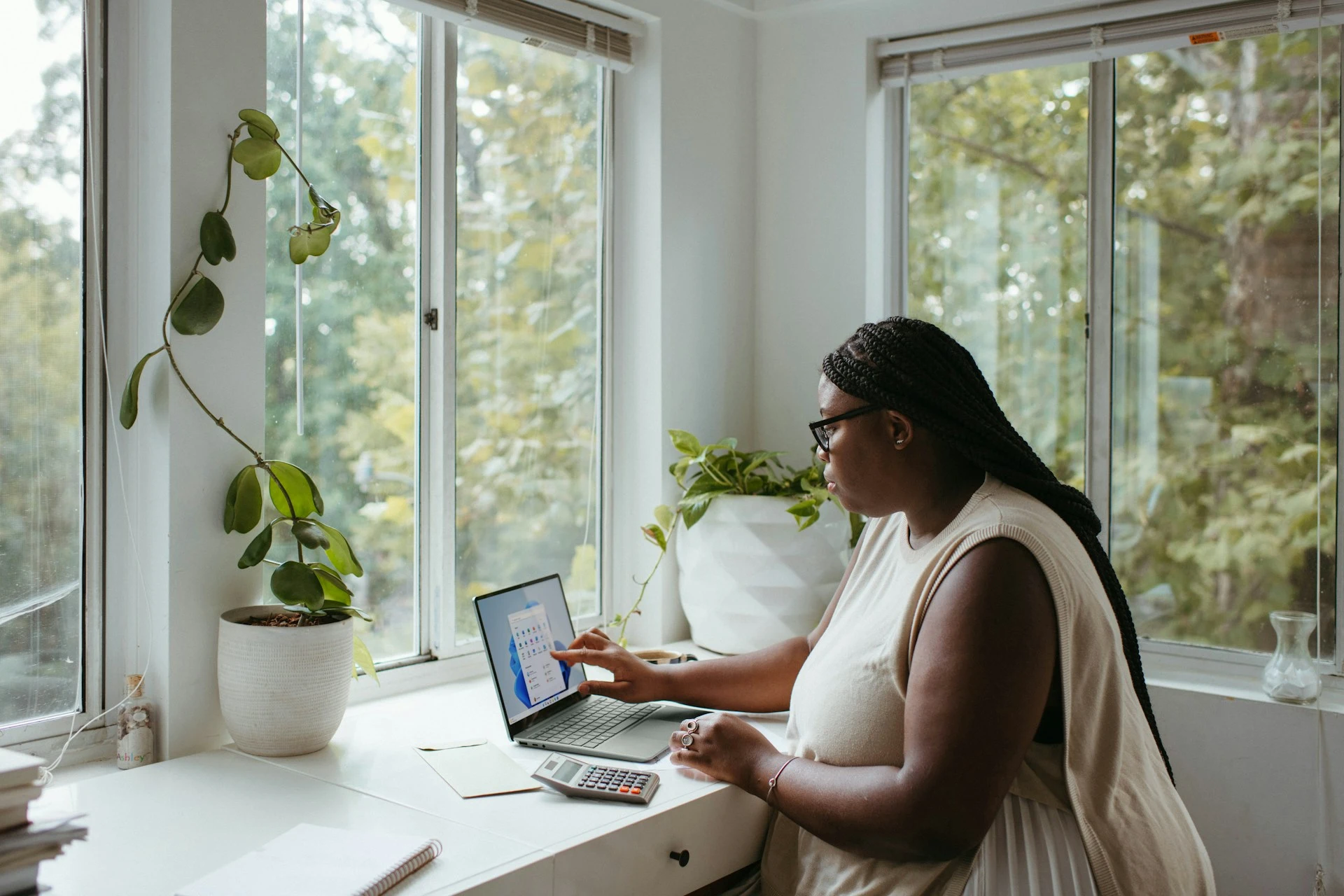
Digital speech therapy is an innovative form of speech therapy care offered entirely online. Through secure platforms and digital tools, you can work effectively on speech, language, or swallowing problems without having to travel to a physical practice. This modern approach makes speech therapy more accessible and flexible for both children and adults. Digital speech therapy is a modern form of speech therapy care where treatments take place online through digital tools such as video calls, apps or specially developed speech therapy platforms. The goal remains the same as with traditional speech therapy: improving speech, language, voice or swallowing problems. By using technology, you can receive care in a flexible way, wherever you are. This makes digital speech therapy especially attractive for people with busy schedules or limited access to a physical practice.
The main differences between digital and traditional speech therapy lie in the way the treatment takes place. In traditional speech therapy, you physically go to a practice and perform exercises under the direct supervision of a speech therapist. With digital speech therapy, you often work from home, being supervised via a screen. In addition, digital speech therapy often offers additional benefits, such as:
Although the personal contact is sometimes less direct, many people find the flexibility and accessibility a great advantage. Moreover, most digital speech therapists are specially trained to provide the same quality through these methods as in a practice. With this basic knowledge, you have a clear idea of exactly what digital speech therapy entails. In the following sections, we will dive deeper into the benefits, applications and practical aspects.
Children are often one of the biggest target groups for digital speech therapy. Think, for example, of children with difficulty forming certain sounds (articulation disorders) or children with language development disorders (TOS). Digital speech therapy allows children to practise in a familiar environment, which can reduce stress or distraction during sessions. In addition, interactive apps and exercises make it more fun and motivating for them to keep practising.
An added benefit is that parents can often be better involved in their child's progress. Speech therapists share tips and exercises via digital platforms that parents can carry out with their children. This makes the learning process not only more efficient, but also more sociable.
Adults also benefit from digital speech therapy. Think, for example, of people with voice problems due to strain or those who have difficulty swallowing after a medical procedure. Through digital sessions, speech therapists can provide tailor-made exercises that can be performed at home. This is ideal for adults who find it difficult to leave home due to work, mobility problems or other commitments.
Moreover, digital speech therapy offers opportunities to accurately monitor progress. Many platforms include tools that allow you to track your own performance, such as the number of repetitions of exercises or time spent on them.
For elderly people with neurological conditions, such as stroke or Parkinson's disease, digital speech therapy is a godsend. Often these elderly people are less mobile, so physically going to a practice can be difficult. With digital speech therapy, they still receive the care they need, simply from the comfort of their own home.
In addition, the digital approach can help boost cognitive skills. Many exercises focus not only on speech, but also on memory and coordination, providing elderly people with additional support in their daily lives.
One of the biggest advantages of digital speech therapy is accessibility. No matter where you live or how busy your schedule is - you can always schedule an appointment that suits you. Moreover, it eliminates the need to travel, which is especially nice if you live in a remote area or have poor mobility.
In addition, the flexibility of digital speech therapy offers the possibility of scheduling sessions outside regular working hours. This is a godsend for parents, working people and students who want to combine their speech therapy with other responsibilities.
Digital speech therapy is often cheaper than traditional treatments. This is because there are fewer overheads, such as practice space and travel allowances. For clients, this means not only lower costs per session, but also savings on petrol or public transport, for example.
With digital speech therapy, you get access to a wide range of technological tools. These include speech recognition technology, interactive apps and video platforms that accurately track your progress. These tools make it possible to tailor exercises to your level and needs, making treatment even more effective.
Many apps also offer game elements, such as points or rewards, to motivate you to practise regularly. This makes the process not only productive but also fun, which is why TinyEYE is also suitable for schools in institutes.
In digital speech therapy, treatments take place via online sessions, usually through video calls. To do this, speech therapists use secure platforms developed specifically for healthcare providers. These platforms often offer additional features, such as sharing exercises, tracking progress and scheduling appointments.
During a session, just like a physical appointment, the speech therapist guides you by explaining exercises and observing your performance. The big difference is that you can just do this from the comfort of your own home, making you feel more at ease.
In addition to online sessions, speech therapists often use digital tools to support your progress. These include apps that allow you to practise speech and language skills, videos with sample exercises or speech recognition technology that gives you feedback on your performance.
These tools are often interactive and can be tailored to your specific needs. For example, do you have difficulty with a particular sound? Then you can get extra exercises to improve that sound. So you get a treatment that is fully customised, yet easy to follow from home.
An important part of digital speech therapy is tracking your progress. Speech therapists keep track of what exercises you have performed and how you are progressing. You can often see your results yourself via a dashboard or app, so you know exactly where you stand and what you can still improve.
In addition, digital speech therapy offers the possibility of recording sessions. This can be useful if you want to revisit a particular explanation or review an exercise. This flexibility allows you to work at your own pace and get the most out of your treatment.
With this way of working, digital speech therapy offers a combination of professional guidance and innovative technology that perfectly matches clients' needs.
One of the most common applications of digital speech therapy is the treatment of articulation disorders. Children and adults who have difficulty pronouncing sounds correctly can learn how to improve their speech through digital exercises. These exercises are often supported by video instructions or interactive apps, giving you immediate feedback on your pronunciation.
For people with swallowing problems, for example after surgery or due to a neurological condition, digital speech therapy offers a safe and practical solution. Speech therapists provide specific exercises and techniques to improve swallowing movements. Thanks to video calls, they can give you instructions and correct your technique while you perform the exercises.
People who have difficulty speaking after a stroke can restore their speech and language skills through digital speech therapy. Regular online sessions and access to exercises allow you to work on your recovery step by step. The use of technology also makes it possible to accurately measure your progress and adapt treatments to your needs.
With these applications, digital speech therapy is a versatile and effective approach for a wide range of speech and language problems.
What do you need to get started with digital speech and language therapy? To get started with digital speech and language therapy, you’ll need a stable internet connection, a device with a camera and microphone (such as a laptop, tablet or smartphone), and a quiet place where you can work without being disturbed. Some speech and language therapists also recommend specific apps or tools, which they’ll usually set up for you.
A session of digital speech therapy usually lasts between 30 and 45 minutes. This depends on your specific treatment plan and the appointments you make with the speech therapist. You can often also do short exercises in between using apps or videos.
Yes, this is definitely possible. Many speech therapists offer a hybrid model, where you attend some sessions physically and do others online. This can be useful if you sometimes need more direct supervision, but also want to benefit from the flexibility of online care.
Digital speech therapy is suitable for almost all ages, from young children to the elderly. For younger children, it often involves working with parents, while the elderly benefit from simple and clear technology. The speech therapist adapts the treatment to the client's needs.
Research shows that digital speech therapy can be as effective as traditional speech therapy, if done properly. Effectiveness depends mainly on the client's commitment, the speech therapist's guidance and the quality of the technology used.
In many cases, digital speech therapy is reimbursed, provided it is part of treatment by a registered speech therapist. It is wise to consult your health insurer to check how this is regulated by your insurance.
If technical problems arise, such as a poor internet connection or software failure, you can usually reschedule the session. Many speech therapists also have guidelines or a back-up option to continue, such as a phone session.
This depends on your treatment plan. Usually, your speech therapist will give you a schedule of daily or weekly exercises. These are often short and easy to integrate into your routine, e.g. 10 to 15 minutes a day.
Yes, many speech therapists offer treatments in multiple languages. This is especially useful for people who live abroad or prefer to be treated in their mother tongue. Check in advance whether your speech therapist offers this option.
Digital speech therapy is suitable for most speech, language and swallowing problems. However, for very complex conditions or if physical guidance is essential, traditional speech therapy may be better. Your speech therapist can advise you on this.